delta flight dl275 japan diversion lax: Understanding an Unexpected Mid-Pacific Emergency Landing

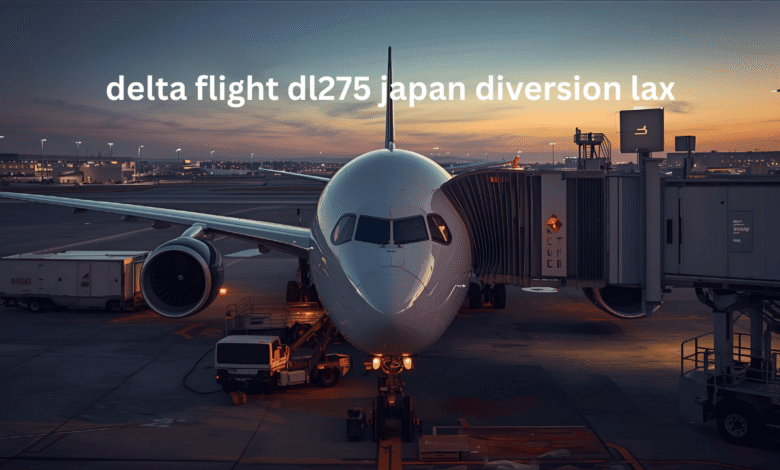
The incident involving delta flight dl275 japan diversion lax drew widespread attention due to the unusual mid-ocean course reversal and the lengthy detour that followed. What began as a routine long-haul journey from Detroit to Tokyo quickly turned into a safety-driven diversion that affected hundreds of travelers. This event has become a notable case study for aviation observers, frequent flyers, and travel writers who want to understand why such diversions occur and how airlines respond when technical faults arise during intercontinental flights.
The Background of Delta Flight DL275
Delta Flight DL275 was operating a scheduled long-haul service between Detroit Metropolitan Airport and Tokyo Haneda Airport. Midway over the North Pacific, the crew detected an issue related to the engine anti-ice system. This malfunction raised significant concerns because icing risks are elevated at high altitudes, particularly over colder transpacific air routes. As a result, safety protocols required the crew to change course, ultimately leading to the widely discussed delta flight dl275 japan diversion lax.
Why the Diversion Became Necessary
The decision to divert delta flight dl275 japan diversion lax was based on strict aviation safety procedures. The anti-ice system is critical for engine stability, airflow control, and overall safety, especially during long flights crossing remote regions where emergency landing options are limited.
Importance of Anti-Ice Systems
An engine anti-ice system helps prevent hazardous ice buildup. If the system fails, the aircraft could experience:
- Reduced thrust capability
- Irregular airflow into the engine
- Engine vibration or instability
- Risks of engine stall in extreme cases
Given these potential outcomes, the crew prioritized safety over schedule, ensuring that the delta flight dl275 japan diversion lax proceeded smoothly toward a major airport with proper support facilities.
Why Los Angeles Was Selected for the Diversion
With multiple diversion options available along the Pacific rim, the choice of Los Angeles International Airport was a strategic one. LAX is a major operational hub equipped with advanced maintenance capabilities, including facilities suitable for handling wide-body aircraft such as the Airbus A350 used for Delta Flight DL275.
Factors Influencing the Diversion Airport Selection
Several factors contributed to the delta flight dl275 japan diversion lax decision:
- Availability of specialized maintenance crews
- Proper runway length for a heavily loaded long-haul aircraft
- Delta’s operational presence at LAX
- Passenger service capabilities to handle rebooking and accommodations
- Favorable weather and predictable air traffic conditions
This combination of factors made LAX the most effective and safest choice.
Impact on Passengers During and After the Diversion
Passengers aboard delta flight dl275 japan diversion lax experienced an extended journey time, unexpected delays, and changes to their travel itineraries. Although the aircraft landed without incident, the flight could not continue onward to Tokyo due to the need for detailed inspections and repairs.
How Passengers Were Assisted
Following the unscheduled landing:
- Passengers were guided through customs and entry processing.
- Delta staff assisted with hotel arrangements for those unable to reach onward flights immediately.
- Rebooking options were offered for multiple Tokyo-bound flights.
- Customer service teams provided updates as the aircraft underwent maintenance.
Despite the inconvenience, the priority remained ensuring that everyone on board reached their destination safely.
The Maintenance Work and Aircraft Downtime
After the delta flight dl275 japan diversion lax event, the aircraft was grounded at LAX for comprehensive diagnostics. Engineers focused on identifying the root cause of the anti-ice fault and determining whether replacement components or system recalibration were required.
Typical Maintenance Procedures After a Diversion
Maintenance teams generally follow steps such as:
- Full engine inspection
- Anti-ice system functionality testing
- Component replacement if needed
- Ground runs to test engine performance
- Review of flight data records
Only when all tests confirm safe operation can the aircraft be cleared for future flights.
The Wider Impact on Airline Operations
Flight diversions do not only affect the passengers on board. They can also disrupt an airline’s global scheduling plans. The delta flight dl275 japan diversion lax incident required Delta to adjust resource allocations, aircraft rotations, and crew schedules.
Operational Ripple Effects
Such disruptions can lead to:
- Additional costs related to fuel and maintenance
- Crew duty limitations requiring replacements
- Scheduling delays on subsequent flights
- Higher operational risk assessment for similar routes
Airlines must adopt flexible strategies to manage these ripple effects efficiently.
Lessons Learned from the Incident
The delta flight dl275 japan diversion lax has highlighted several important takeaways for both the aviation industry and passengers who frequently travel long distances.
Key Points to Consider
- Safety procedures always take priority over maintaining schedules.
- Technical issues, even small ones, can escalate at high altitudes.
- Diversions, though inconvenient, often prevent more serious situations.
- Major international airports play a crucial role during emergencies.
- Passengers benefit greatly from staying informed during unexpected events.
These lessons reinforce the importance of robust maintenance and the professionalism of flight crews.
Understanding Long-Haul Flight Risks
Flying across vast oceanic regions presents unique challenges. The delta flight dl275 japan diversion lax incident is an example of how airlines must remain vigilant in their operations. With limited landing sites across the Pacific, every system on the aircraft must function optimally to ensure safe passage.
How Airlines Manage These Risks
- Routine pre-flight inspections
- Continuous monitoring of onboard systems
- Advanced diagnostic technologies
- Trained crew capable of quick decision-making
- International coordination with air traffic control networks
These layers of safety help minimize risks on long-haul routes.
Public and Media Reaction
The delta flight dl275 japan diversion lax event was widely discussed online, with many travelers sharing their experiences and aviation enthusiasts analyzing the route, timing, and technical details. Such incidents often spark conversations about aircraft reliability, highlighting how even advanced jets can face issues requiring immediate action.
Why This Incident Captured Attention
- The long time the aircraft had already been flying before reversing course
- The high-profile nature of Detroit-to-Tokyo routes
- Passenger videos and updates on social platforms
- Curiosity surrounding modern aircraft safety systems
- Transparency from Delta regarding the reason for diversion
These factors combined to make the story widely circulated.
Conclusion
The delta flight dl275 japan diversion lax incident serves as a clear reminder of the complexity and safety focus behind every long-haul flight. While diversions can disrupt travel plans, they reflect the aviation industry’s unyielding commitment to passenger safety. The decision to divert DL275 to Los Angeles ensured that a potential technical issue was resolved before escalating into a more serious situation. Through swift action, professional coordination, and technical expertise, the event concluded safely, demonstrating the robustness of modern aviation practices.
Frequently Asked Questions
- Why did delta flight dl275 japan diversion lax occur?
It happened due to a malfunction in the engine anti-ice system detected mid-flight, requiring a safe diversion. - Is it common for long-haul flights to divert?
Diversions are uncommon but do occur when safety concerns arise, especially on oceanic routes. - Why was LAX chosen for the diversion?
LAX has the necessary maintenance facilities, runway capabilities, and operational support for wide-body aircraft. - Were passengers able to continue their journey to Japan?
Yes, passengers were rebooked on later flights after the diversion and aircraft maintenance. - Was the aircraft damaged during flight?
No, the diversion was a precautionary measure to address a system malfunction before it could become dangerous.