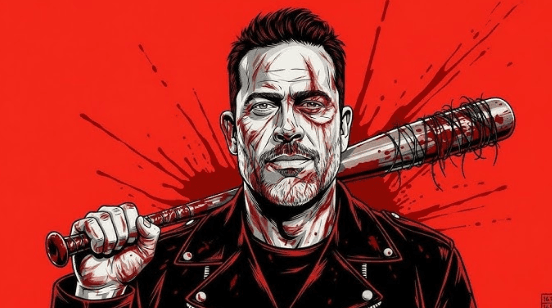

Negan Walking Dead is one of the most iconic and feared characters in the post-apocalyptic world. Known for his ruthless leadership, sharp wit, and infamous weapon, Lucille, Negan has left a lasting impression on fans. While many see him as a villain, his complex personality and moral code make him intriguing. In this article, we will explore his life, traits, actions, and legacy. Whether you’re a die-hard fan or new to the series, this guide provides all the details in an easy-to-read, engaging way.
Early Life of Negan Walking Dead
Negan was born to a troubled family, which shaped his survival instincts and attitude. Before the apocalypse, he worked as a gym teacher and had a charming but controlling personality. His early life struggles, combined with personal loss, contributed to his authoritarian and sometimes cruel approach to leadership. Even in his pre-apocalypse days, he had a knack for influencing people, which later translated into his dominance in the post-apocalyptic world.
Negan’s Personality and Traits
Negan is charismatic, cunning, and unpredictable. He balances charm with intimidation, making him both loved and feared by followers. Despite his violent actions, he operates with a moral framework, punishing betrayal harshly but rewarding loyalty. He is witty, sarcastic, and enjoys psychological manipulation. Fans often debate whether Negan is purely evil or a complex antihero with his own code of ethics.
Lucille: The Weapon That Defines Negan
Lucille, Negan’s barbed-wire-wrapped baseball bat, is a symbol of his power. He uses it both as a weapon and a psychological tool to maintain control over others. The bat represents his violent enforcement of order and has become an iconic image in The Walking Dead universe. Lucille is not just a tool of destruction—it’s a symbol of Negan’s personality: terrifying, strategic, and unforgettable.
Negan’s Rise to Power
After the apocalypse began, Negan quickly established himself as a leader of the Saviors, a powerful and feared group. His ability to combine fear, manipulation, and rewards allowed him to dominate other communities. Negan’s leadership style was authoritarian but effective, ensuring survival in a dangerous world. His rise wasn’t just about violence—it was strategic and calculated, showing his intelligence and resourcefulness.
Conflicts and Major Story Arcs
Negan’s journey is marked by intense conflicts with key characters like Rick Grimes, Daryl Dixon, and others. His initial actions, such as the infamous line-up scene, set the stage for his reputation as a ruthless villain. However, as the story progresses, Negan’s layers unfold, revealing moments of regret, loyalty, and unexpected compassion. These arcs make him one of the most complex characters in The Walking Dead.
Negan’s Relationships
Negan’s relationships are complex and reveal his humanity. His love for his wife, Lucille, shaped many of his actions. He values loyalty among his followers but punishes betrayal severely. Over time, he develops respect for former enemies, showcasing his growth and capacity for change. These dynamics make him more than just a villain—they show his depth and human side.
Negan’s Leadership Style
Negan’s leadership is a mix of fear, charisma, and strategy. He motivates people through rewards and fear-based consequences. While some see him as a tyrant, others recognize his efficiency and ability to maintain order. His leadership teaches that survival in a harsh world requires both strength and psychological insight.
Pop Culture Impact of Negan Walking Dead
Negan has become a cultural icon, appearing in merchandise, spin-offs, and fan theories. His style, quotes, and personality have inspired memes, cosplay, and debates about morality in a post-apocalyptic world. His popularity demonstrates the impact of well-written, morally complex characters in modern television.
Redemption and Evolution
Later seasons explore Negan’s attempt at redemption. He helps communities, protects key characters, and seeks to make amends for past crimes. This evolution adds layers to his character and challenges viewers to reconsider their judgment of him. Negan’s story illustrates that even the most feared figures can evolve with time.
Fun Facts About Negan
- Negan’s name comes from a real-life influence on the show’s creator.
- Lucille was named after his late wife, showing his emotional depth.
- Despite his villainous role, fans often root for Negan due to his charisma and intelligence.
- Jeffrey Dean Morgan, who portrays Negan, improvised many of the character’s iconic lines.
FAQs
1. Who is Negan in The Walking Dead?
Negan is a complex antihero known for leading the Saviors and wielding his iconic bat, Lucille.
2. What is Lucille?
Lucille is a barbed-wire-wrapped baseball bat that Negan uses as both a weapon and a symbol of his power.
3. Is Negan a villain or hero?
Negan is an antihero. He starts as a villain but later shows signs of redemption and loyalty.
4. Who plays Negan in The Walking Dead?
Jeffrey Dean Morgan portrays Negan, bringing charisma, wit, and menace to the character.
5. What is Negan’s leadership style?
Negan uses a mix of fear, rewards, and strategy to maintain control over his followers and communities.
6. Why is Negan so popular?
His complex personality, memorable quotes, and moral ambiguity make him a fan-favorite character.
Conclusion
Negan Walking Dead is more than just a villain; he’s a symbol of complexity, charisma, and survival. His journey from ruthless leader to a character seeking redemption demonstrates the depth of storytelling in The Walking Dead. Fans love him for his wit, strategy, and unpredictability, making him unforgettable. Understanding Negan gives insight into human behavior, morality, and leadership in extreme circumstances. Whether you admire, fear, or debate his actions, Negan’s legacy in pop culture is undeniable.