jane mary ashton: The Quiet Cultural Architect — A Profile of Influence and Mentorship

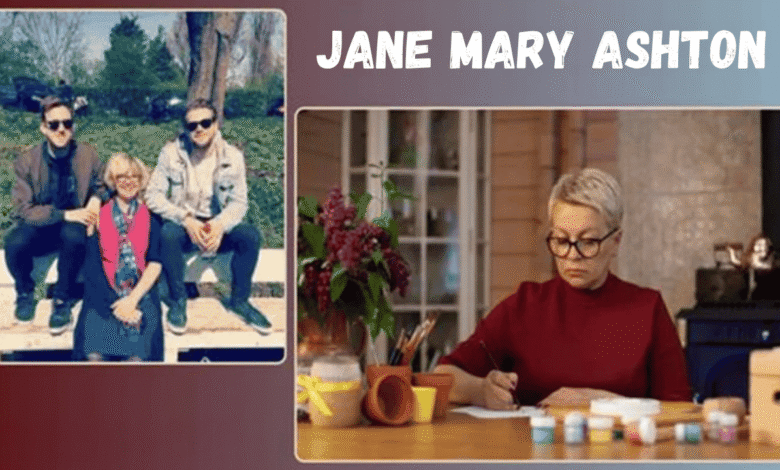
Jane Mary Ashton is a name that appears with gentle consistency in profiles about education, cultural preservation, and quiet influence behind creative lives. Over the years, she has been described as someone who preferred shaping environments, mentoring emerging talent, and protecting small histories rather than seeking the spotlight. This article gathers the available information, organizes it for clarity, and suggests ways to understand the kind of impact a person like jane mary ashton can have on cultural life, family, and community.
A background in the humanities and cultural work
Many accounts point to a foundation in the humanities—training in literature, art history, or related fields—which helped jane mary ashton build a framework for better understanding texts, objects, and the stories people tell about themselves. That humanities grounding often appears as the quiet engine behind her later pursuits: archiving local stories, mentoring younger writers, and valuing the everyday narratives that are easy to overlook.
- A humanities education trains listening, interpretation, and contextual thinking.
- Those skills translate well into mentoring and cultural preservation.
- For people who shape culture indirectly, depth of knowledge matters more than public recognition.
Mentorship and nurturing creative talent
A recurring theme in the material about jane mary ashton is mentorship. Rather than being front-facing, her influence shows up in the trajectories of people she supported—students, writers, or family members who went on to public achievements. Mentorship can take many forms: providing time, offering reading suggestions, helping with introductions, or simply modeling a curious and disciplined approach to cultural work.
How mentorship works in practice
- One-on-one conversations that model critical thinking.
- Creating a home environment that values reading, observation, and creative play.
- Making small but decisive interventions—editing a draft, suggesting a course, or recommending a book.
When mentors like jane mary ashton invest consistently, the cumulative effect becomes visible in the careers and practices of those they helped.
Championing small histories and overlooked narratives
Another central strand in descriptions of jane mary ashton is her interest in “small histories”: the private, local, and intimate memories that shape communities but rarely make it into official records. Small histories preserve texture—details about daily life, family lore, and neighborhood change—that help future readers understand the lived experience of a place or time.
Why small histories matter:
- They diversify the archive beyond major public events.
- They provide material for creative work—fiction, memoir, or documentary.
- They help communities retain a sense of continuity in times of change.
The role of family and home in creative development
Profiles that mention jane mary ashton often highlight the household as a formative space. A home where books are accessible, where questions are welcomed, and where curiosity is modeled creates conditions for creative people to flourish. If jane mary ashton helped shape a household like this, her influence extends well beyond direct mentorship into the daily rhythms that encourage creative practice.
Practical habits that shape creativity at home:
- Regular reading time and discussion.
- Unstructured play and opportunities to tinker.
- Exposure to music, visual art, and storytelling.
Practical lessons for readers and writers
Readers and writers can draw useful lessons from the way people like jane mary ashton support cultural life. These practices are repeatable and scalable—anyone can adopt them to nurture creativity in a family, classroom, or community.
Actionable points:
- Keep a small archive: photos, letters, notes.
- Mentor someone informally: give feedback, suggest readings, introduce people.
- Create rituals around storytelling in the home or community.
Balancing public recognition with behind-the-scenes work
One reason profiles of jane mary ashton feel compelling is that they celebrate an alternative model of cultural impact: one that values steady contribution over accolades. There is a social and civic value in supporting projects, people, and archives that are not designed for immediate recognition but for long-term cultural resilience.
How to apply this balance:
- Invest time in projects that build infrastructure—libraries, community oral histories, or local exhibitions.
- Recognize and name the people who sustain creative ecosystems, not just their most visible beneficiaries.
- Support small organizations that preserve local stories.
Portrait of influence: what the available data suggests
Taken together, the available descriptions paint a portrait of jane mary ashton as a careful, deliberate presence in cultural circles—someone who prioritized listening, contextual knowledge, and the uplift of others. Whether through family, mentoring, or archival interest, her work suggests a model of influence that is relational rather than performative.
Key characteristics that emerge:
- Deep interest in literature and the arts.
- Preference for mentorship and small-scale projects.
- Emphasis on preserving everyday memories and voices.
- Impact measured through others’ growth rather than personal fame.
Headline practices you can adopt today
If you want to mirror the approach associated with jane mary ashton in your own life or community work, try these simple habits:
- Start a memory journal or oral-history project for your neighborhood.
- Offer to read and comment on a younger writer’s work once a month.
- Curate a small exhibit or reading series that highlights local voices.
- Encourage daily reading routines in your household or classroom.
- Support community archives with time or small donations.
Conclusion
The life and work attributed to jane mary ashton offer a timely reminder that cultural influence often grows quietly, through attention, mentorship, and care for overlooked stories. Whether or not every specific detail about her biography is easy to verify, the practices linked to her name—valuing small histories, nurturing creativity at home, and mentoring without seeking personal acclaim—are accessible models for anyone who wants to strengthen their cultural community. Embracing these practices creates durable benefits: richer archives, stronger creative networks, and more resilient local memory.
Frequently Asked Questions
- Who is jane mary ashton?
Jane mary ashton is portrayed in several profiles as a cultural mentor and advocate for small histories, known for supporting creative talent and preserving everyday narratives. - What fields did jane mary ashton work in?
Descriptions commonly associate jane mary ashton with the humanities—literature, art history, and cultural preservation—along with mentorship and community-focused projects. - How did jane mary ashton influence others?
Her influence is described as relational: mentoring writers, shaping a creative home environment, and supporting local storytelling projects that amplified others’ voices. - Why are small histories important to jane mary ashton’s approach?
Small histories capture lived experience and everyday memory, providing texture and diversity to cultural archives that larger histories often miss. - How can I apply jane mary ashton’s methods in my community?
Start by collecting local stories, mentoring young creatives, curating small exhibits or reading series, and fostering daily reading and storytelling rituals in your home or neighborhood.