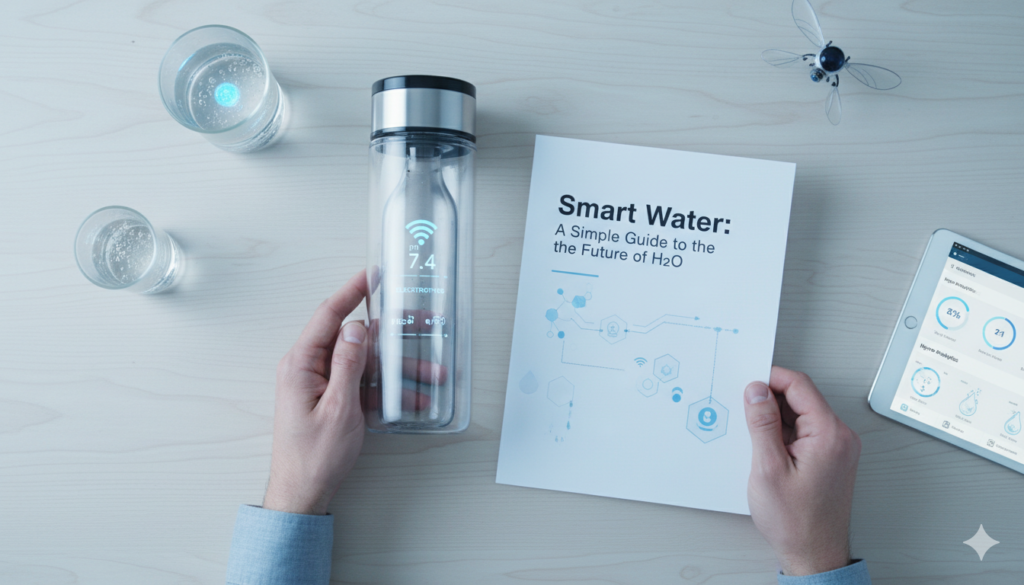

Have you ever wondered where your water goes after you turn off the faucet? Most of us don’t think about it until the bill arrives. But today, things are changing fast thanks to smart water technology. This isn’t just a fancy name; it’s a way to use computers and sensors to make sure we don’t waste a single drop. Imagine your house being able to tell you exactly how much water you used to brush your teeth! That is the power of a modern water system. It helps cities stay dry during floods and keeps our drinking supply clean and safe for everyone to enjoy.
In this guide, we will look at how these cool gadgets work. We will talk about everything from the pipes under the street to the apps on your phone. Using smart water tools is like giving your home a brain. It helps you save money and helps the Earth at the same time. Whether you live in a big city or a small town, these changes are coming to a sink near you soon. Let’s dive in and see how we can make every drop count for a better tomorrow.
What Exactly Is Smart Water?
When we talk about smart water, we are talking about using technology to manage our most precious resource. In the old days, workers had to walk around and read dials on every house. Now, we use sensors and the internet to track water flow in real-time. This means if a pipe breaks deep underground, the city knows about it instantly. It is all about being proactive instead of waiting for a giant puddle to appear on the street.
Why Do We Need Better Water Tech?
The world is getting crowded, and we don’t have more water than we did 100 years ago. That is why smart water solutions are so important right now. If we can find leaks early, we save millions of gallons. Many towns lose nearly 20% of their water just from old, leaky pipes. By using smart tools, we can stop that waste. It’s like fixing a hole in your pocket so your coins don’t fall out while you walk.
How Smart Meters Help Your Wallet
A smart water meter is a device that replaces your old clunky one. It sends data to your water company automatically. But the best part is for you! You can often log into an app and see your daily usage. If you see a huge spike on Tuesday, you might realize you left the garden hose on. This helps people lower their monthly bills significantly. No more “bill shock” at the end of the month when you see a high price.
Detecting Leaks Before They Cause Damage
One of the scariest things for a homeowner is a hidden leak behind a wall. Smart water sensors can sniff out these drips before they ruin your floor. Some systems even have an “auto-shutoff” feature. If the sensor feels a flood starting, it turns off the main valve for you. This kind of protection is a lifesaver for people who are away at work or on vacation. It gives you peace of mind knowing your home is safe and dry.
The Role of Big Data in Cities
Cities use smart water networks to manage the whole town at once. They use big computers to look at patterns of how people use water. For example, if everyone takes a shower at 7:00 AM, the city can adjust the pressure to make sure everyone has enough. This keeps the system running smoothly without wasting energy. It also helps the city plan for the future by knowing exactly where more people are moving and needing water.
Protecting Our Clean Drinking Supply
Keeping our water clean is a big job. Smart water technology includes sensors that “taste” the water constantly for chemicals or dirt. If something bad gets into the pipes, the system can close valves to keep the dirty water away from homes. This keeps kids and families safe from getting sick. It is like having a tiny scientist living inside the pipes, making sure every glass of water you drink is perfectly healthy and fresh.
Smart Irrigation for Green Gardens
Do you have a neighbor who waters their lawn even when it’s raining? That is a huge waste! Smart water controllers for your garden can check the weather report. If rain is coming, they skip the watering for that day. They also know exactly how much moisture is in the soil. This makes sure your grass stays green without using too much. It’s a win for your garden and a win for the local environment around your home.
Saving Energy Through Water Management
It takes a lot of electricity to pump water and heat it up for your shower. When we use smart water practices, we actually save a lot of energy too. Less water used means less water that needs to be pumped and cleaned. This lowers the “carbon footprint” of your city. Many people don’t realize that saving water is one of the easiest ways to help fight climate change. It is all connected in one big, helpful circle for the planet.
Real Examples of Smart Success
Many cities like San Francisco and Singapore are leading the way in smart water use. They have seen huge drops in water waste since they started using sensors. In some places, they even use drones to check on big water tanks. These real-world examples show that the tech works and is worth the cost. When leaders invest in these tools, the whole community benefits from better service and lower long-term costs for everyone involved.
How You Can Get Started Today
You don’t have to wait for your city to change to start using smart water ideas. You can buy simple leak detectors at the hardware store right now. You can also install a low-flow showerhead that uses tech to make the spray feel strong while using less liquid. Even small steps make a big difference when millions of people do them together. Start by checking your own bill and seeing where you can trim back a little bit each day.
Comparison of Traditional vs. Smart Systems
| Feature | Traditional Water System | Smart Water System |
| Leak Detection | Only found when visible | Found instantly by sensors |
| Meter Reading | Manual (once a month) | Digital (every hour) |
| Data Access | You only see the monthly bill | Real-time app tracking |
| Waste Level | High (leaks go unnoticed) | Very low (optimized flow) |
| Safety Checks | Occasional manual testing | 24/7 automatic monitoring |
| Garden Watering | On a simple timer | Based on local weather |
Frequently Asked Questions (FAQs)
1. Is smart water technology expensive to install?
While the sensors and meters cost money upfront, they usually pay for themselves. By catching leaks early and lowering your monthly bill, most families save more money than they spent on the gadgets within a year or two.
2. Can someone hack my smart water meter?
Companies use very strong security, just like a bank. The data sent is usually just numbers about how much you used. It doesn’t contain personal info like your name or credit card, so it is very safe for your privacy.
3. Do I need Wi-Fi for smart water devices to work?
Most home devices do need a Wi-Fi connection to send alerts to your phone. However, many city-wide smart water meters use their own special long-range radio signals that don’t rely on your home internet at all.
4. How does smart water help the environment?
It reduces the amount of water we take from rivers and lakes. This leaves more water for fish, birds, and plants. It also reduces the energy needed to clean and move water, which helps keep our air cleaner.
5. Will smart water help during a drought?
Yes! During a drought, every drop is vital. Smart water systems help cities see exactly where water is being used so they can ask people to cut back in specific areas. It makes sure no water is lost to broken pipes.
6. Can I install these gadgets myself?
Many things, like leak sensors and smart sprinkler controllers, are very easy to set up yourself. For a full smart water shut-off valve, you might want to call a plumber to make sure it is installed perfectly.
Conclusion: Making Every Drop Count
The world of smart water is exciting because it solves a big problem with simple tools. We no longer have to guess how much we are using or wait for a disaster to find a leak. By embracing these new technologies, we protect our homes, our wallets, and our natural world. It is a “people-first” approach to a resource we literally cannot live without.
The next time you turn on your faucet, think about the journey that water took. With smart water tech, we can ensure that journey continues for many years to come. It’s time to stop wasting and start being smart about our H2O!